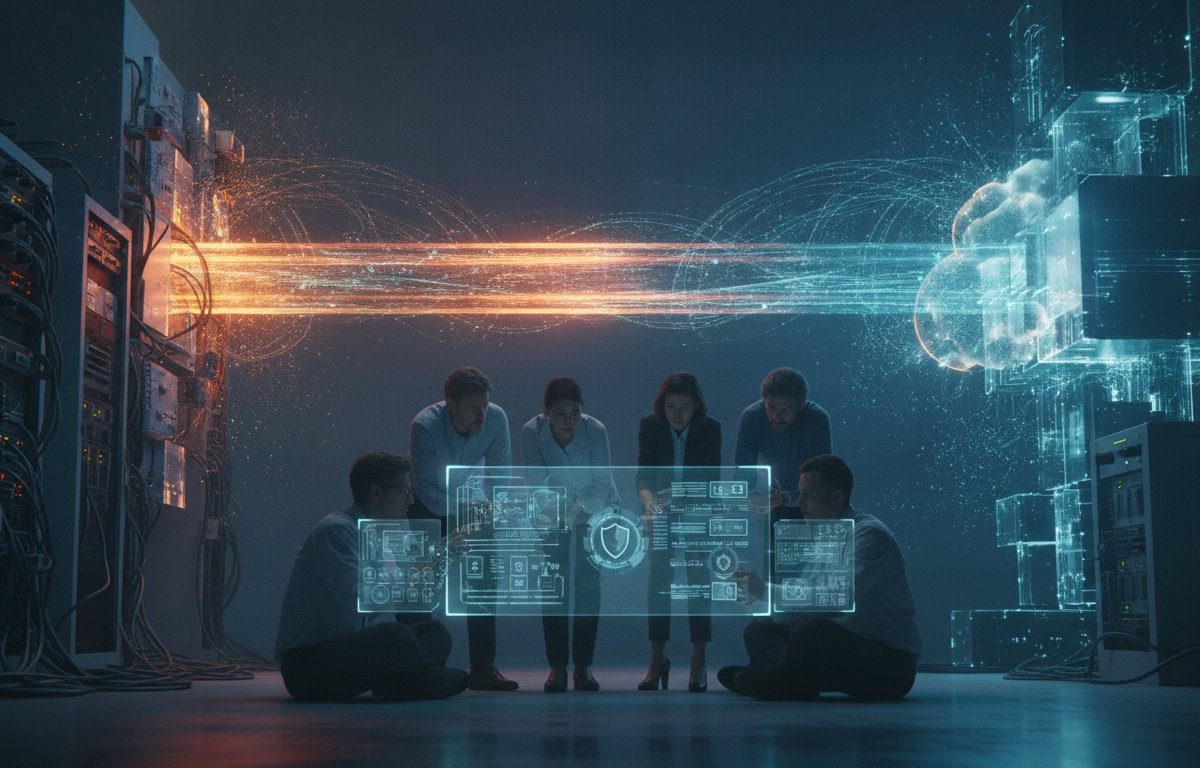
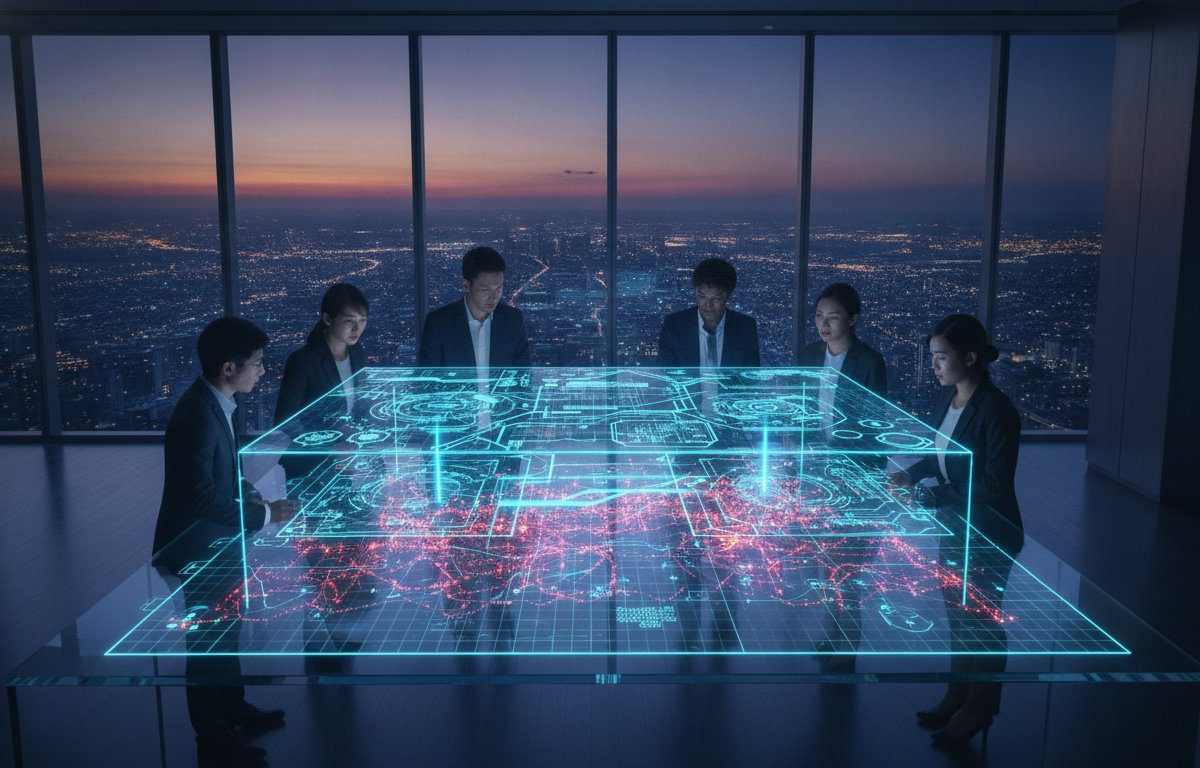
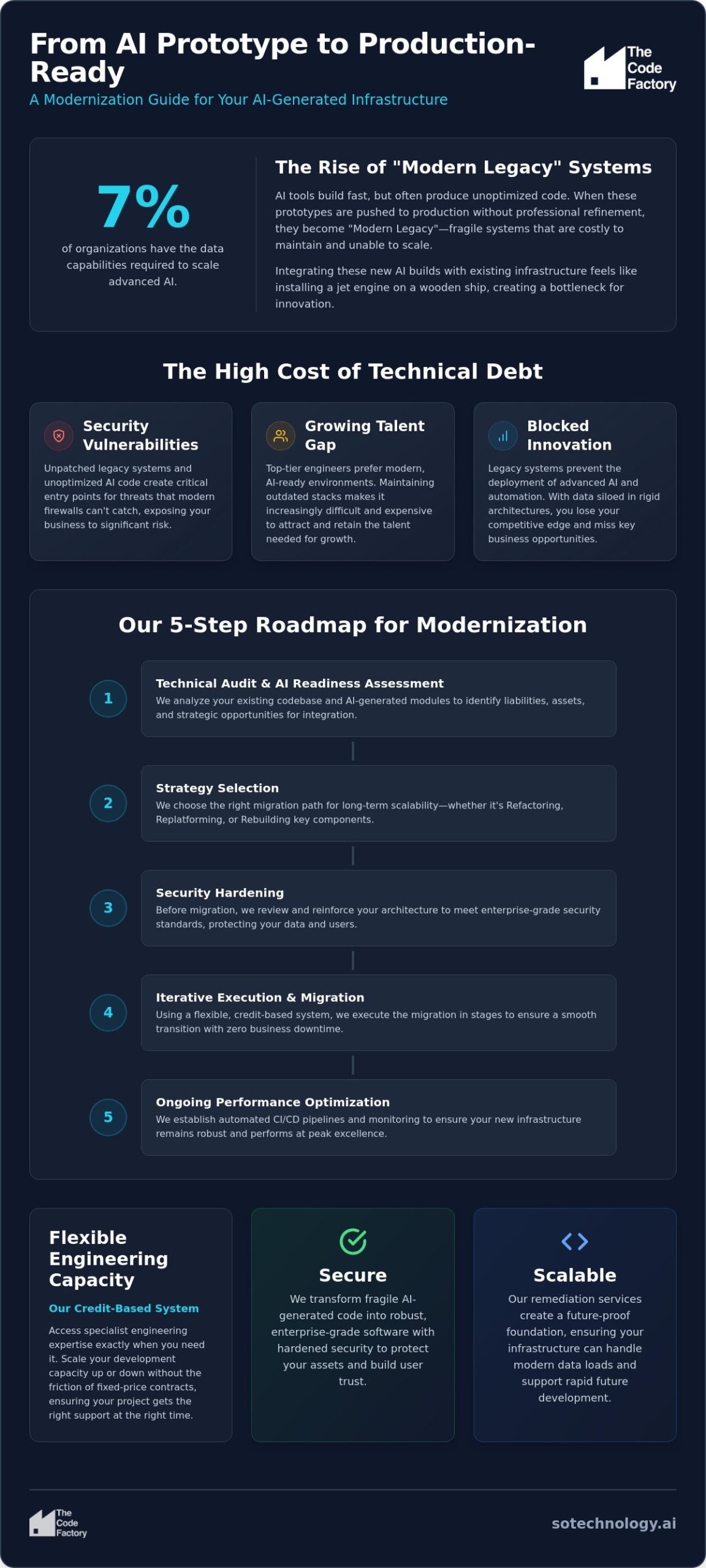
Did you know that only 7% of organizations currently possess the data capabilities required to scale advanced AI? It’s a sobering figure that highlights a common frustration: your AI-built prototype looks brilliant in isolation, but it hits a wall when faced with the high maintenance costs and security vulnerabilities of your existing codebase. You aren’t alone in feeling that integrating AI with legacy systems feels like trying to install a jet engine on a wooden ship. Most teams find themselves trapped between the desire to innovate and the heavy anchor of technical debt.
This guide shows you how to bridge that gap by transforming your outdated architecture into a secure and scalable foundation for future development. We’ll outline a clear roadmap for modernisation that moves your project from a fragile initial generation to professional-grade engineering. You’ll discover how a flexible, credit-based system allows you to access specialist expertise exactly when you need it, ensuring your web infrastructure is ready for the demands of 2026 and beyond. We’re moving past the quick fix and toward a strategic translation of technical debt into long-term business value.
Key Takeaways
- Redefine legacy systems by their inability to support future development and learn why addressing technical debt is the first step toward AI-readiness.
- Follow a proven 5-step framework for integrating AI with legacy systems, moving from a technical audit to choosing the right refactoring strategy.
- Transition your AI-built prototypes into production-ready software using a framework that prioritises a secure and scalable infrastructure.
- Utilise a modern credit-based system to access specialist engineering expertise, providing the flexibility to scale your development capacity without the friction of fixed-price contracts.
Understanding the 2026 Legacy Challenge: Why Modernisation is Imperative
In 2026, the definition of a Legacy system has evolved significantly. It’s no longer just about 20-year-old mainframes; it’s about any architecture that restricts your ability to innovate. If your software can’t support rapid future development or handle modern data loads, it’s a legacy system. While 83% of IT executives plan to upgrade their systems this year, many find their existing infrastructure acts as a bottleneck. Successfully integrating AI with legacy systems requires a sturdy bridge between initial AI creation and professional engineering standards.
We’re witnessing a new phenomenon called “Modern Legacy.” This occurs when rapid AI-generated prototypes are pushed into production without professional refinement. While AI tools help you build fast, they often produce unoptimised code that complicates the process of integrating AI with legacy systems later on. Moving from an initial generation to a professional-grade standard requires a strategic shift. You aren’t just fixing old code; you’re investing in Secure and Scalable digital assets that grow with your business.
Our approach simplifies this transition through a flexible credit-based system. This allows you to access specialist engineering expertise exactly when you need it, ensuring your AI foundations are refined into high-quality, long-term solutions without the rigid constraints of traditional contracts. It’s about moving from frantic maintenance to strategic growth.
The Risks of Maintaining the Status Quo
Sticking with an outdated codebase carries hidden dangers that go beyond mere inefficiency. Security is the most pressing concern. Unpatched legacy web systems and unoptimised AI code create entry points for vulnerabilities that modern firewalls can’t always catch. Beyond safety, there’s a growing talent gap. Top-tier engineers want to work with modern, AI-ready environments, making it harder and more expensive to find staff to maintain old stacks.
Finally, there’s the massive opportunity cost. Legacy systems effectively block the deployment of advanced AI Consulting Services. When your data is siloed in rigid, outdated architectures, you can’t leverage the automation tools that your competitors are already using to gain an edge. Modernisation isn’t just about cleaning up code; it’s about reclaiming your competitive advantage through a foundation that’s truly Scalable.
The 5-Step Roadmap for Integrating AI with Legacy Infrastructure
Successfully integrating AI with legacy systems requires more than just adding a new layer of code; it demands a structured approach to future-proofing organizations. We begin with a Technical Audit to identify which components are worth saving and which have become liabilities. Once we’ve assessed your AI readiness, we move to Strategy Selection, choosing between Rehosting, Refactoring, or Rebuilding based on your need for long-term scalability.
The third step focuses on Security Hardening. We review your architecture to ensure it meets enterprise standards before moving into Iterative Execution. By using our flexible credit-based system, you can scale engineering capacity up or down as needed, allowing for a smooth migration without business downtime. Finally, we establish automated pipelines for ongoing performance optimisation, ensuring your new infrastructure remains at the peak of engineering excellence.
Choosing Your Migration Strategy (The 7 Rs)
Refactoring involves restructuring existing code to improve its internal structure without changing its external behaviour. This is vital when you’re preparing to integrate AI agents into a web application. Replatforming, on the other hand, might involve moving to a modern cloud environment while keeping the core logic intact. A professional assessment helps you decide when to “Retain” a stable module or “Retire” an outdated one that creates unnecessary security risks for your future development. Underpinning each of these decisions is the need for a coherent enterprise application integration strategy that ensures your modernised components can communicate seamlessly across your entire digital ecosystem.
Bridging the Gap Between AI Prototypes and Production
Many businesses start with an AI-built MVP that works well in a sandbox but fails under real-world load. Professional code reviews are essential here. They verify that your foundations are Secure and Scalable, transforming a fragile initial generation into robust, enterprise-grade software. This transition ensures your product isn’t just a prototype, but a high-quality asset ready for growth. If you’re looking to evaluate your current setup, you can book a discovery meeting to explore the most efficient path forward.
Implementing Modernisation with Flexible Engineering Capacity
Traditional fixed-price contracts often fail when integrating AI with legacy systems because they can’t account for the technical uncertainty hidden in outdated code. Scope creep isn’t just a risk; it’s a certainty when you’re bridging decades-old architecture with modern intelligence. We position ourselves as a Strategic Translator, helping you navigate these complexities to ensure your transition is both Secure and Scalable. Success isn’t just about a finished project; it’s measured by your digital flexibility and the elimination of performance bottlenecks that once held you back.
Our approach relies on a credit-based model, essentially providing you with “engineering currency” to use as your project evolves. This allows for a more effective IT Strategy for Seamless AI Integration. By removing the friction of constant renegotiation, we can focus entirely on outcome-focused delivery and long-term business growth.
The Credit-Based Advantage for AI Integration
Credits empower you to be proactive rather than reactive. If a vulnerability is discovered during a code review, we can remediate it immediately using your existing balance. This flexibility is crucial when integrating AI with legacy systems, as it allows your team to pivot between high-level feature development and essential core infrastructure improvements as your business priorities shift. You get the expertise you need without the administrative delays of new contract negotiations.
Future-Proofing Your Digital Ecosystem
Modernisation is an ongoing journey, not a destination. Once your foundation is robust, you can explore advanced automation through our Digital Agent as a Service (DAaaS). Consistent Support & Maintenance ensures that you don’t re-accumulate technical debt in this fast-moving landscape. We’re here to ensure your future development remains unhindered, turning your initial AI prototypes into high-performance, long-term solutions that are ready for whatever comes next.
Transforming Technical Debt into Strategic Growth
Modernising your web infrastructure is a strategic transition from maintaining the past to owning the future. We’ve explored how integrating AI with legacy systems requires more than just new features; it demands a Secure and Scalable foundation that can support long-term future development. While the complexity of legacy code can feel overwhelming, a structured modernisation plan provides the clarity needed for a successful rollout. By following this roadmap, you can effectively turn fragile AI prototypes into robust, production-ready assets that drive measurable business value.
Our flexible credit-based engineering model provides you with the specialist expertise needed to navigate technical uncertainty without the friction of traditional contracts. As a global partner for digital transformation, we remain committed to outcome-focused delivery and rigorous security hardening to protect your growth. It’s time to stop fighting your old codebase and start leveraging it as a genuine competitive advantage. Your journey from a generated MVP to an enterprise-grade application is a path we’re ready to walk with you.
Book an AI Discovery Workshop to assess your legacy migration needs and take the first step toward a modern, high-performance ecosystem. We’re here to help you build a foundation that’s ready for whatever comes next.
Frequently Asked Questions
What is the most effective strategy for integrating AI with legacy systems in 2026?
The most effective strategy is a phased modernisation roadmap that prioritises assessment and foundational security over a risky full replacement. Research indicates that organisations implementing a phased approach over 18 to 24 months experience a 67.2% higher success rate. This method allows you to build a secure and scalable infrastructure incrementally, ensuring that each stage of your future development remains stable and aligned with business goals.
How long does a typical legacy web system modernisation project take?
A comprehensive modernisation project for an enterprise-level legacy system typically spans 18 to 24 months. While this timeline covers full integration and scaling, initial refactoring or pilot phases can often be completed much sooner to deliver immediate value. The duration depends on the depth of your technical debt and the complexity involved in integrating AI with legacy systems while maintaining production readiness and security standards.
Can I integrate AI agents with my existing software without a full rebuild?
Yes, you can integrate AI agents into existing software by utilising custom middleware and modern API layers. This approach is often more viable than a full rebuild because it reduces costs and operational risks while bridging the gap between your current codebase and new AI capabilities. Professional code reviews are essential during this process to ensure that your AI-built foundations are refined into robust, production-ready software assets.
How does a credit-based engineering model help with legacy migration?
A credit-based model provides the flexibility to scale your engineering capacity up or down as the technical requirements of your migration change. Instead of navigating the friction of fixed-price contracts, you use credits as a versatile engineering currency to address vulnerabilities or add features as they arise. This modern approach supports the entire lifecycle of a project, from refining initial AI generation to managing ongoing maintenance and expansion.